Navigating Web3 Fundraising: Insights on Token Warrants and SAFE Agreements
In the rapidly evolving landscape of Web3 and blockchain technology, fundraising mechanisms have undergone significant transformations. Among these, Token Warrants and Simple Agreements for Future Equity (SAFE) have emerged as pivotal tools in the arsenal of startups and investors alike. This article delves deep into the mechanics, advantages, and considerations of Token Warrants and SAFE Agreements, shedding light on their critical role in Web3 fundraising as we move into 2024.
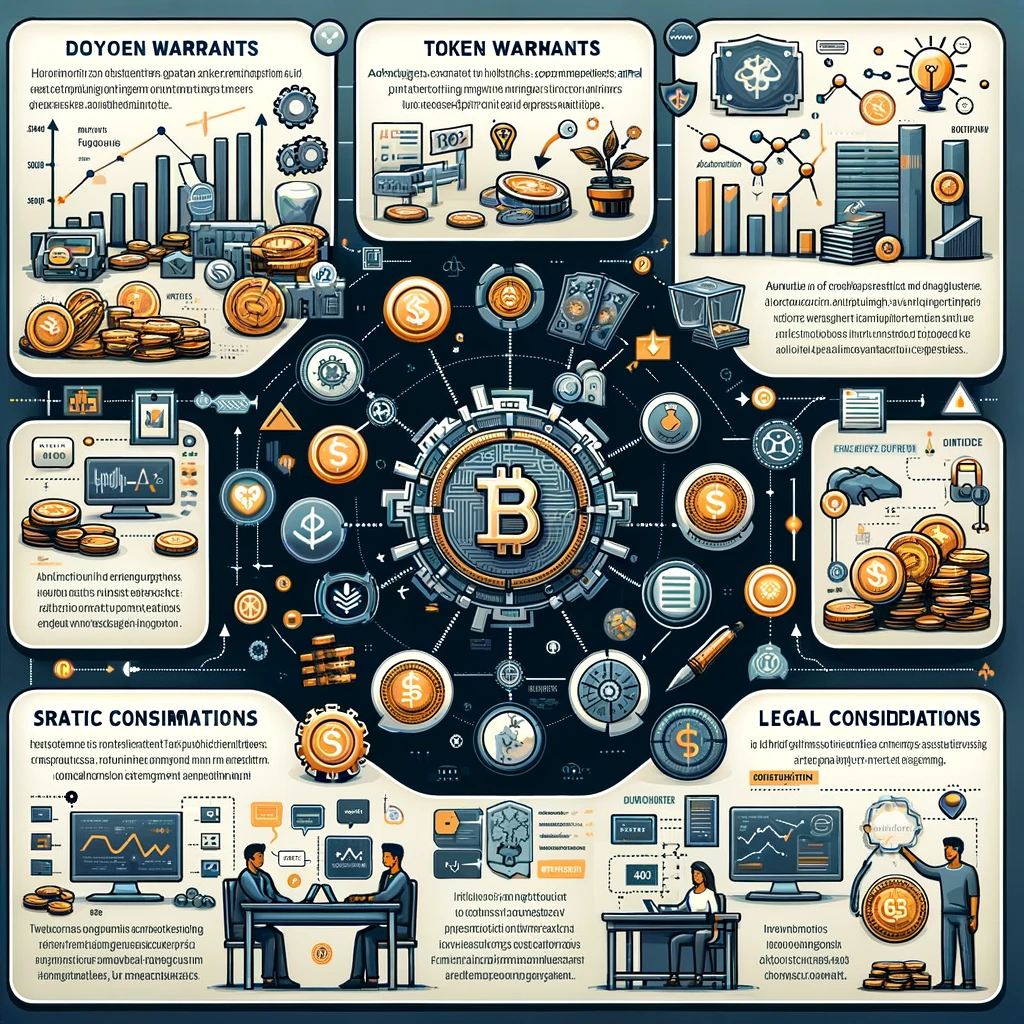
What are Token Warrants in Web3 Fundraising?
Token Warrants are contractual agreements that grant the holder the right, but not the obligation, to buy a specified number of tokens at a predetermined price before a certain expiry date. Similar to options in traditional finance, Token Warrants in the Web3 realm offer investors a unique way to speculate on the future value of blockchain projects without immediate full investment.
The Mechanics of Token Warrants
Token Warrants work by locking in a purchase price for tokens of a Web3 project. Investors holding warrants can exercise their right to buy the tokens at the strike price before the warrant expires. This mechanism allows investors to benefit from the potential upside of a project's success with a relatively lower upfront capital commitment.
For detailed insights on the financial mechanisms behind traditional warrants, consider visiting the U.S. Securities and Exchange Commission's overview at SEC.gov.
Understanding SAFE Agreements in Web3
SAFE Agreements, originally designed to simplify early-stage investment, have found a new application in the Web3 space. A SAFE, or Simple Agreement for Future Equity, is an investment contract that allows investors to buy shares in a company at a future date, under conditions triggered by specific events such as equity financing, acquisition, or IPO.
Transition to Web3
In the context of Web3, SAFE Agreements are adapted to cater to the decentralized and token-based economy. Rather than future equity in a company, Web3 SAFEs often convert into tokens, providing investors with a stake in the project's digital assets.
For an academic perspective on the original SAFE agreements and their evolution, Stanford University's eCorner provides valuable resources. Visit Stanford eCorner for more information.
The Significance of Token Warrants and SAFE Agreements in Web3 Fundraising
These financial instruments offer a blend of flexibility and potential for both startups and investors. Startups benefit from immediate capital infusion without diluting ownership or governance prematurely. Meanwhile, investors gain a low-risk entry point into potentially high-reward projects.
Strategic Considerations for Startups
Startups considering Token Warrants or SAFE Agreements must carefully evaluate their long-term impact on tokenomics and governance. The potential dilution of tokens and the influence of early investors on project direction are critical factors to consider.
Investors' Perspective
Investors need to assess the project's potential, the terms of the warrant or SAFE, and the implications for their investment strategy. The speculative nature of Web3 projects, combined with the complexity of these instruments, demands thorough due diligence.
For further reading on investment strategies in the Web3 space, the Harvard Business Review offers insights into the challenges and opportunities presented by blockchain technologies.
Legal and Regulatory Considerations
The legal landscape for Token Warrants and SAFE Agreements in Web3 is complex and evolving. Regulatory scrutiny varies by jurisdiction, with implications for how these instruments are structured and executed.
Navigating Compliance
Ensuring compliance with securities laws and regulations is paramount. Engaging with legal experts and adhering to guidelines from regulatory bodies like the U.S. Securities and Exchange Commission (SEC.gov) and the Financial Conduct Authority (FCA.org.uk) is essential for both startups and investors.
Looking Ahead: The Future of Web3 Fundraising
As we advance into 2024, the role of Token Warrants and SAFE Agreements in Web3 fundraising is poised to grow. Their ability to align the interests of startups and investors, coupled with the flexibility they offer, makes them indispensable tools in the ever-evolving Web3 ecosystem.

Create & Review Your Contracts 10x Quality and Ease
Lawyer-level AI handles all your contract needs, with real lawyers providing safeguarding support

Embracing Innovation with Caution
The key to leveraging these instruments effectively lies in balancing innovation with risk management. Understanding the intricacies of Token Warrants and SAFE Agreements, staying abreast of regulatory developments, and fostering transparent investor relations will be crucial for success in Web3 fundraising.
For more insights into the future of technology and finance, exploring resources from reputable educational institutions such as MIT's Technology Review can provide additional depth and context.
Conclusion
Token Warrants and SAFE Agreements represent the cutting edge of financial instruments in Web3 fundraising. They offer startups a path to secure necessary funding while providing investors with a measured approach to participating in the digital economy's growth. As the Web3 space continues to mature, understanding and utilizing these tools effectively will be essential for all stakeholders in the blockchain ecosystem.