Comprehensive Guide to Veterinary Payment Plan Agreements

In today's world, where pets are considered part of the family, the demand for comprehensive veterinary care is at an all-time high. However, the cost of veterinary services can be a significant concern for many pet owners. To address this, many veterinary practices offer payment plan agreements, allowing pet owners to manage healthcare expenses for their pets in a more manageable manner. This detailed guide delves into the essentials of veterinary payment plan agreements, highlighting legal considerations, key components, and best practices for creating an agreement that benefits both veterinary practices and pet owners, supplemented with authoritative .gov, .edu, and Wikipedia links for enhanced credibility.
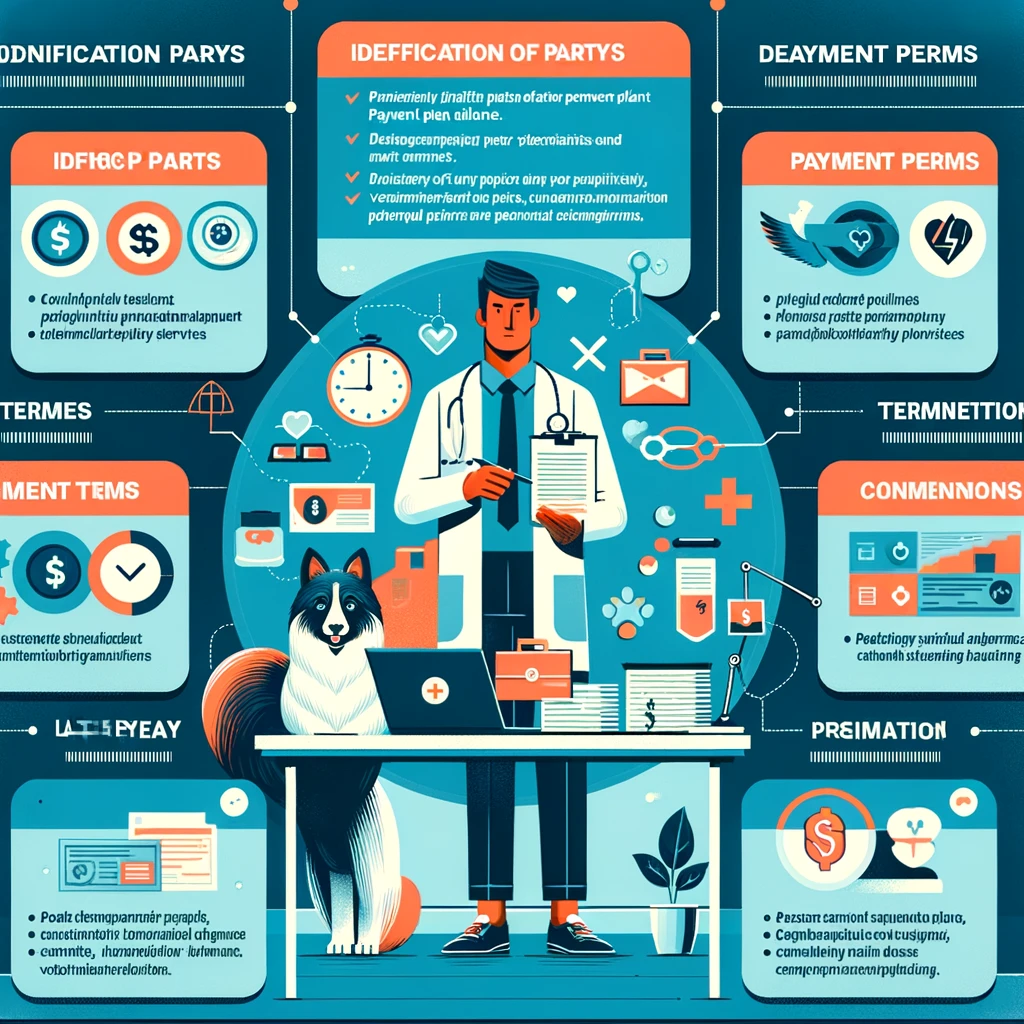
Understanding Veterinary Payment Plan Agreements
A veterinary payment plan agreement is a contract between a veterinary practice and a pet owner that outlines terms for paying veterinary bills over time. These agreements enable pet owners to receive necessary medical care for their pets without facing immediate financial strain.
Legal Framework
While veterinary payment plan agreements can vary, they are generally governed by the principles of contract law. It's crucial for both parties to understand their rights and obligations under such agreements. Resources like the American Veterinary Medical Association provide guidelines and ethical considerations for veterinary practices offering payment plans.
Drafting a Veterinary Payment Plan Agreement: Essential Components
Identification of Parties
Clearly identify the veterinary practice and the pet owner, including contact information for both parties.
Description of Services
Detail the veterinary services to be provided, including any specific treatments, procedures, or medications covered by the payment plan.
Payment Terms
Outline the total cost of services, the amount to be paid upfront (if any), the schedule of payments, including due dates and amounts, and accepted payment methods.
Late Payment Policies
Specify any penalties or interest charges for late payments, ensuring these terms comply with state laws regarding consumer credit and debt collection.
Termination Conditions
Define conditions under which the agreement can be terminated, such as failure to make timely payments or breach of other agreement terms.
Best Practices for Veterinary Practices and Pet Owners
Transparency and Communication
Ensure all terms of the payment plan are clearly communicated and understood by the pet owner. Open dialogue can prevent misunderstandings and foster a positive relationship.
Fairness and Reasonableness
Payment plans should be fair and reasonable, providing a viable option for pet owners without imposing undue financial risks on the veterinary practice.
Documentation and Record-Keeping
Maintain thorough records of all payment plan agreements, including signed contracts, payment receipts, and correspondence related to the agreement.
Legal Review
Consider having the payment plan agreement reviewed by legal counsel to ensure compliance with state laws and regulations. The Cornell Law School’s Legal Information Institute offers general legal information that can be a helpful starting point.

Create & Review Your Contracts 10x Quality and Ease
Lawyer-level AI handles all your contract needs, with real lawyers providing safeguarding support

Navigating Disputes
Disputes over payment plan agreements can arise due to misunderstandings or financial difficulties. Veterinary practices should approach dispute resolution with empathy and flexibility, seeking solutions that maintain the care of the pet while addressing payment issues.
Conclusion
Veterinary payment plan agreements offer a practical solution for managing the costs of pet healthcare, enabling pets to receive necessary treatments while providing pet owners with financial flexibility. By understanding the key components of these agreements and adhering to best practices for drafting and management, veterinary practices and pet owners can create a framework that supports the health and well-being of pets. For more information and resources, consulting with legal professionals and exploring authoritative .gov and .edu sites, as well as Wikipedia, can provide additional insights into veterinary care and financial agreements.