Launching Your Food Truck Project: A Comprehensive Guide

The allure of the open road and the aroma of fresh, inventive cuisine capture the essence of the food truck business. As one of the most vibrant segments of the culinary industry, food trucks offer entrepreneurs a unique opportunity to share their culinary passion with a broad audience. This detailed project guide outlines the steps for launching a successful food truck business, focusing on planning, legal compliance, branding, and operational strategies. By integrating insights from authoritative sources, this guide aims to provide a comprehensive roadmap for aspiring food truck owners.
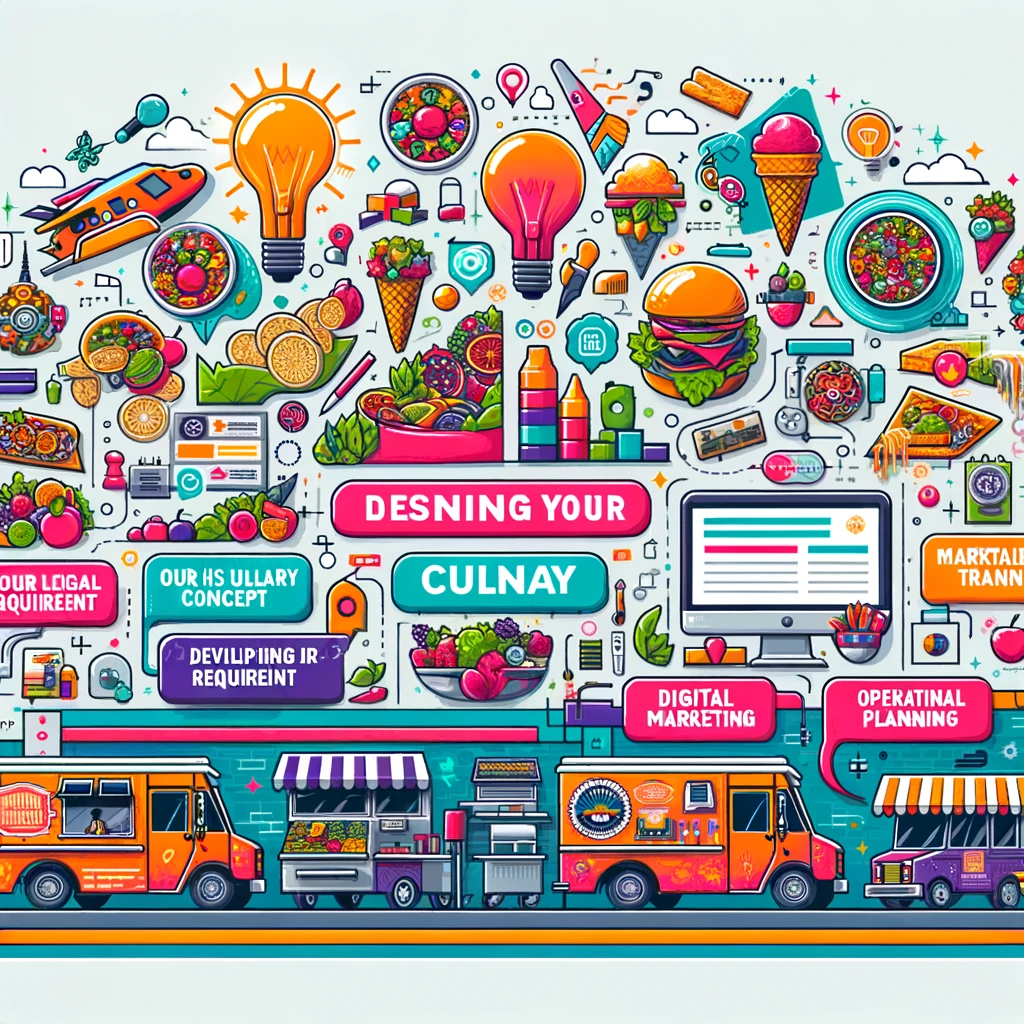
Conceptualizing Your Food Truck Venture
Defining Your Culinary Concept
Your culinary concept is the heartbeat of your food truck business. It should reflect your culinary style and preferences, target market, and the type of experience you wish to offer. Whether it's gourmet sandwiches, vegan treats, or ethnic cuisines, ensure your concept stands out in a crowded market.
Market Research: Conduct thorough market research to identify gaps in the local food truck scene and assess potential competition. Tools like the U.S. Census Bureau's Business Builder can provide valuable demographic insights.
Business Planning
A comprehensive business plan is essential for guiding your venture and attracting potential investors. Your business plan should detail your business concept, market analysis, menu offerings, marketing and sales strategies, financial projections, and operational plans.
Business Plan Resources: The U.S. Small Business Administration (SBA) offers guidelines and templates for drafting an effective business plan.
Navigating Legal Requirements
Licensing and Permits
Operating a food truck requires navigating a maze of local, state, and federal regulations. You'll need to obtain a business license, food service license, and potentially other permits depending on your location and the nature of your business.
Regulatory Compliance: Check with your local health department and the Department of Business and Professional Regulation for specific requirements related to food service businesses.
Health and Safety Regulations
Compliance with health and safety regulations is paramount. This includes food safety training for you and your staff, regular health inspections, and adherence to food handling and storage guidelines.
Food Safety Training: The Food and Drug Administration (FDA) provides resources on food safety practices for food service establishments.
Branding and Marketing Your Food Truck
Developing a Strong Brand Identity
Your brand identity encompasses your food truck's name, logo, design, and the overall customer experience. A strong brand can set you apart and create a lasting impression on your customers.
Brand Development Resources: Utilize platforms like Canva for designing your branding elements, from logos to menu boards.
Digital Marketing Strategies
In today's digital age, an effective online presence is crucial for attracting customers. Develop a professional website, engage with customers on social media platforms, and consider online advertising to reach a wider audience.
Social Media Marketing: Platforms like Instagram are ideal for showcasing your food truck's offerings and engaging with your community.
Operational Planning
Location and Logistics
Choosing the right location can significantly impact your food truck's success. Consider partnering with local businesses, participating in food truck rallies, or securing spots at events and festivals to maximize exposure.
Location Scouting Tips: Research high foot traffic areas and local event calendars for potential locations and events.

Create & Review Your Contracts 10x Quality and Ease
Lawyer-level AI handles all your contract needs, with real lawyers providing safeguarding support

Menu Development and Sourcing Ingredients
Develop a menu that reflects your culinary concept while keeping operational efficiency in mind. Source high-quality ingredients from reliable suppliers, and consider seasonal variations to keep your menu fresh and exciting.
Supplier Relationships: Establish strong relationships with local farmers and food suppliers. Resources like Local Harvest can help you connect with local producers.
Conclusion
Launching a food truck business is an adventurous endeavor that combines culinary creativity with entrepreneurial spirit. By carefully planning your concept, navigating legal requirements, building a strong brand, and executing a solid operational strategy, you can steer your food truck venture toward success. Remember, continuous learning and adaptation are key. Engage with your community, gather feedback, and refine your offerings to keep your customers coming back for more.
Embarking on a food truck project is not just about serving food; it's about creating memorable experiences and building connections through the universal language of cuisine. With dedication, resilience, and a dash of creativity, your food truck can become a beloved staple in your community and beyond.